









.gif?width=300&auto=webp&quality=80&disable=upscale)
.png?width=300&auto=webp&quality=80&disable=upscale)

.png?width=300&auto=webp&quality=80&disable=upscale)
Sponsored Content
From Our Partners
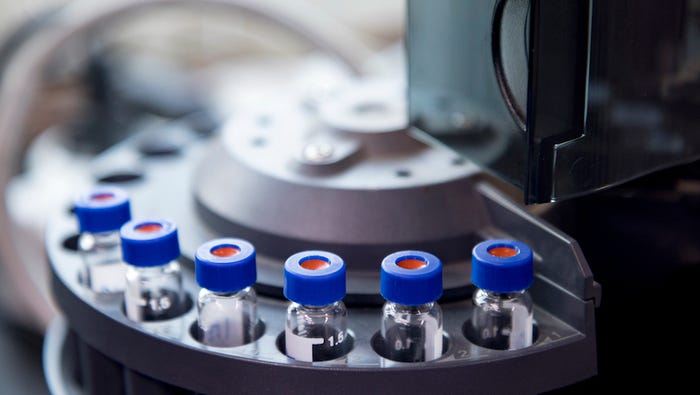
Protein Adhesion and Metal Interaction in Medical Diagnostic Equipment
Abbott Laboratories and SilcoTek share research on coatings to prevent unwanted protein adsorption on 316L stainless steel.

Deemed a correction, not product removal, the company is urging customers to update the apps software to mitigate potential issues.
Removing barriers to reach a blue ocean
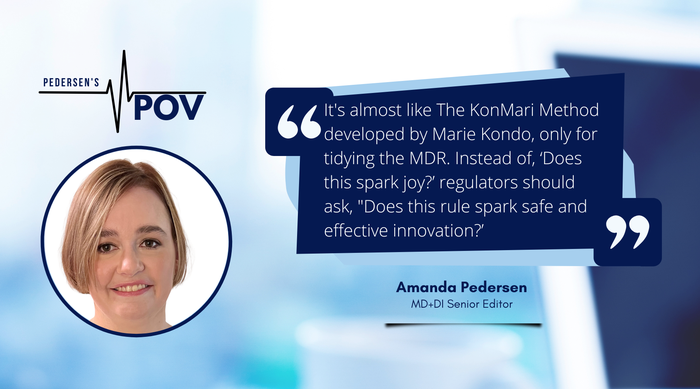
This week in Pedersen’s POV, our senior editor advocates for changes to the European Union’s Medical Device Regulation.
Abbott Laboratories and SilcoTek share research on coatings to prevent unwanted protein adsorption on 316L stainless steel.
The MedTech conference is designed to elevate manufacturing professionals’ expertise in overall product design and development through interactive sessions led by industry pioneers.
Recent

Connect with qualified suppliers, service providers, and consultants that meet global standards for cGMP and quality.
See the latest components, materials, tubing, and more.
Browse new equipment used in molding, packaging, surface treatment, and other applications.
Find contract manufacturers, consultants, and other outsourcing partners.











.png?width=300&auto=webp&quality=80&disable=upscale "Uterus")