







.png?width=300&auto=webp&quality=80&disable=upscale)

Sponsored Content
From Our Partners
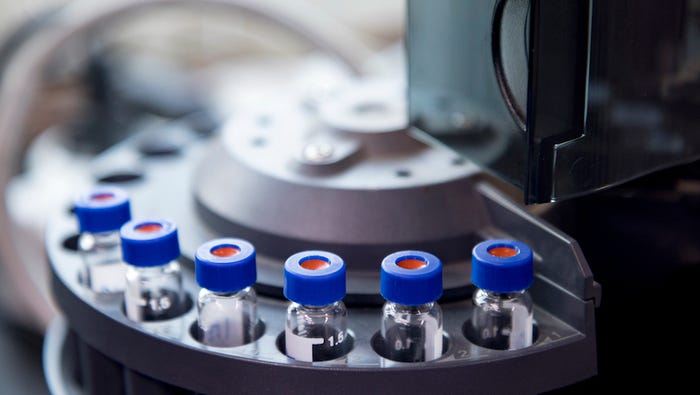
Protein Adhesion and Metal Interaction in Medical Diagnostic Equipment
Abbott Laboratories and SilcoTek share research on coatings to prevent unwanted protein adsorption on 316L stainless steel.
The company is on track to be the fastest-growing company in medtech again this year.
The cardiovascular market is one of the hottest segments in the medical device industry. MD+DI looks at the companies making the most noise in cardiology.
Abbott Laboratories and SilcoTek share research on coatings to prevent unwanted protein adsorption on 316L stainless steel.
Recent

.svg?width=700&auto=webp&quality=80&disable=upscale)